Abstract
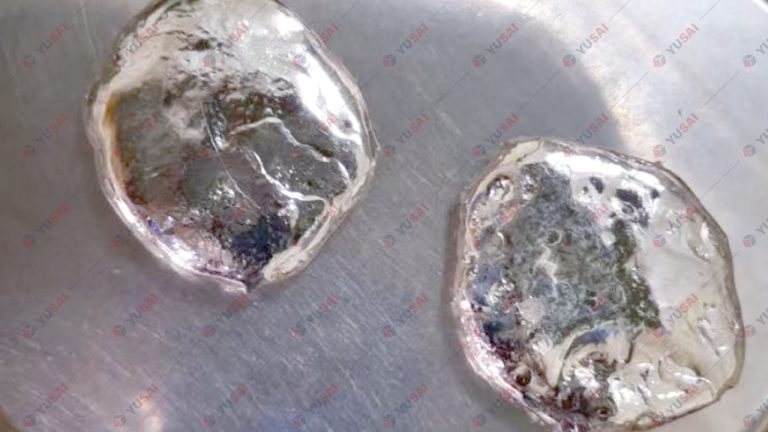
A series of laboratory tests were carried out on wet gold refining and purification technology. The test results demonstrate that the wet refining process can produce gold with purity of 99.99%, and the gold recovery rate reaches 99.99%. This wet gold refining process features simple operation, easy operation mastery, low pollution, short production cycle and minimal gold inventory backlog. Compared with traditional refining routes, this technology effectively reduces environmental hazards and delivers high practical application value. This paper introduces the process flow, test procedure, test results and economic benefits of wet gold refining.
Keywords: gold; wet refining; purification; metallurgical process; experimental study
1 Current Situation of Gold Refining in China
The mainstream gold purification technologies in domestic gold industry are wet chemical method and electrolytic refining. Both are mature traditional processes, yet they have obvious limitations in production efficiency.
Electrolytic refining boasts simple operation, low pollution and can produce 99.99% pure gold. However, electrolysis requires large amounts of gold to be held in inventory, which brings heavy pressure on capital turnover and site security management for mining enterprises.
The wet gold refining process only needs optimized chemical reagent formula. It retains the advantages of electrolytic refining such as low pollution and fast gold dissolution, and provides flexible production capacity. Common reducing agents include hydrogen peroxide, ferric sulfate, sodium sulfate, sulfurous acid and sodium nitrite. Specially developed MPE reducing agent can further upgrade the final gold purity.
2 Process Flow of Wet Gold Refining & Purification
The raw material for this test is crude gold powder containing 10%–15% impurities such as silver, copper and iron. The actual process can be adjusted according to impurity content of feedstock. For crude gold powder with low impurity content, the general sequence is: gold leaching with hydrochloric acid and oxidant → reduction → melting and ingot casting.
If the feedstock comes from zinc powder cementation or electrolytic cementation of gold, nitric acid pre-treatment shall be implemented first. The principle is that nitric acid reacts with soluble impurities including copper and iron in gold sludge to form soluble salts, while metallic gold does not react with nitric acid. This step separates most base metal impurities, partial gold and realizes silver recovery simultaneously.
3 Experimental Research and Result Analysis of Wet Gold Refining
3.1 Raw Materials, Reagents and Equipment
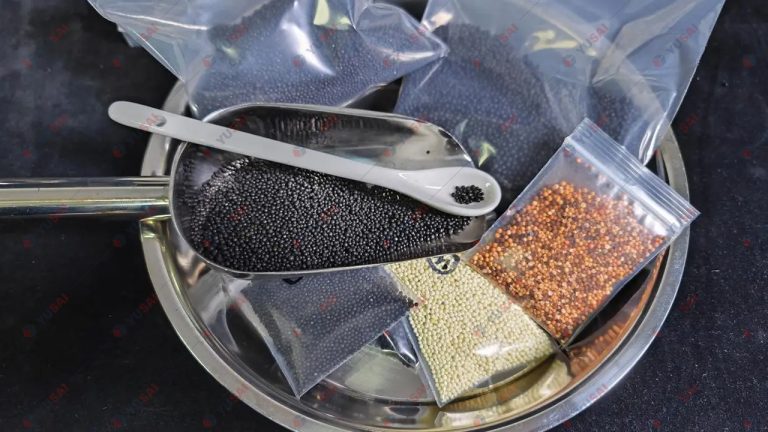
Raw materials & reagents: crude gold powder, hydrochloric acid, nitric acid, oxidant, distilled water, MPE reducing agent. Test equipment: 3000 mL and 4000 mL beakers, electric hot plate, electric furnace.
3.2 Test Procedure
Crude gold powder is loaded into beaker and fully submerged by concentrated hydrochloric acid, then excess oxidant is added. Strong exothermic reaction occurs during the reaction, so safety protection must be guaranteed. Aqua regia is an alternative dissolving agent, but it generates nitrogen oxide pollutants. Heating can remove pollutants from leachate. Selective reducing agent can directly precipitate gold powder without harmful by-products.
Hydrochloric acid promotes gold dissolution by converting insoluble silver chloride and lead chloride into soluble complex ions. After full dissolution of gold, distilled water is added to trigger hydrolysis precipitation of silver chloride complex ions. After cooling, sulfuric acid is added for solution purification, forming insoluble lead sulfate. This purification stage is critical to guarantee final gold purity.
After cooling, the solution is filtered, and filter cake is washed with distilled water. MPE high-selectivity reducing agent is added to precipitate fine pure gold powder. MPE reducer features high selectivity and fast reduction speed, producing gold powder with purity above 99.99%.
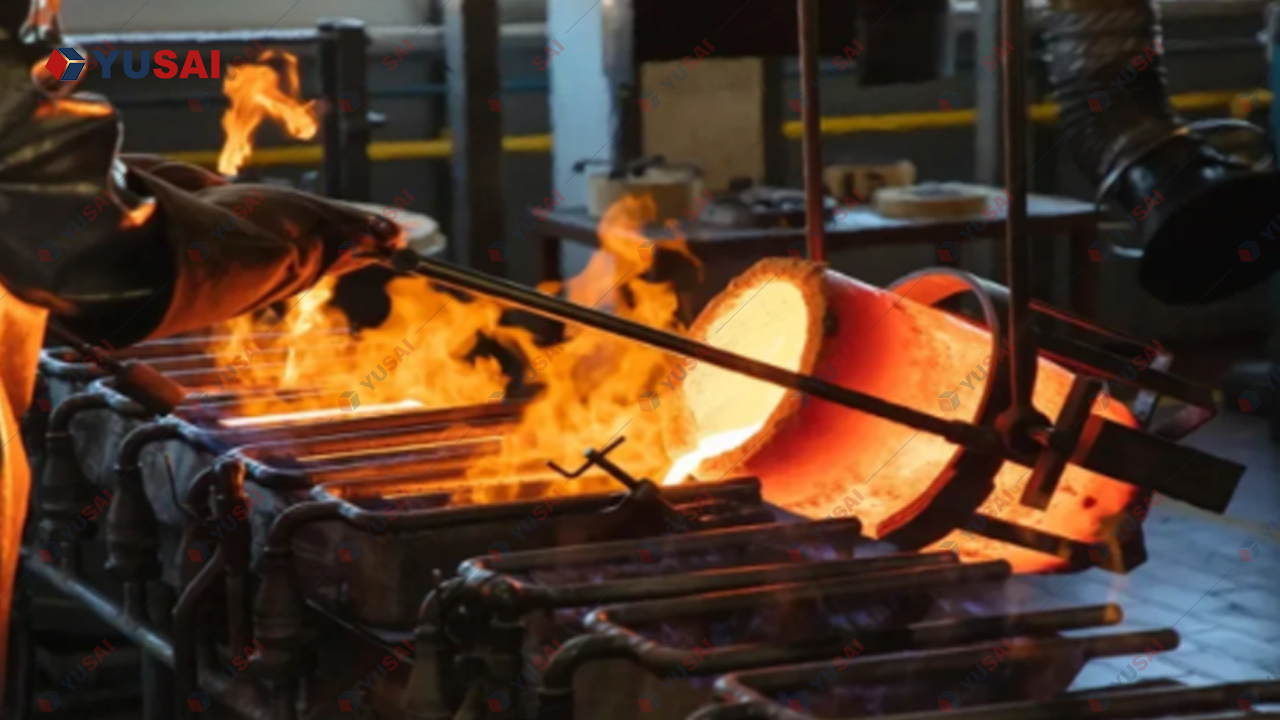
The precipitated pure gold powder is washed with distilled water, boiled and rinsed to neutral pH value, then melted and cast into gold ingots at high temperature to finish the whole refining process.
4 Economic Benefit Estimation of Wet Gold Refining Process
Only direct costs including labor cost and maintenance cost are calculated for economic evaluation, with cost counted per gram of refined gold. Based on annual output of 600 kg gold from Jinshan Gold Mine, the added value is 1.8 CNY per gram of refined gold. Annual profit increment of the mine reaches more than 1.08 million CNY. Wet gold refining can significantly improve economic returns of gold mines and is worthy of industrial promotion.
5 Conclusion
This paper reviews domestic gold refining status, describes the full process of wet gold refining, presents laboratory test data and analyzes economic benefits. Wet gold refining greatly improves gold refining efficiency. It is recommended to popularize this technology in gold metallurgy industry and continuously optimize the process to advance domestic gold purification technology level.