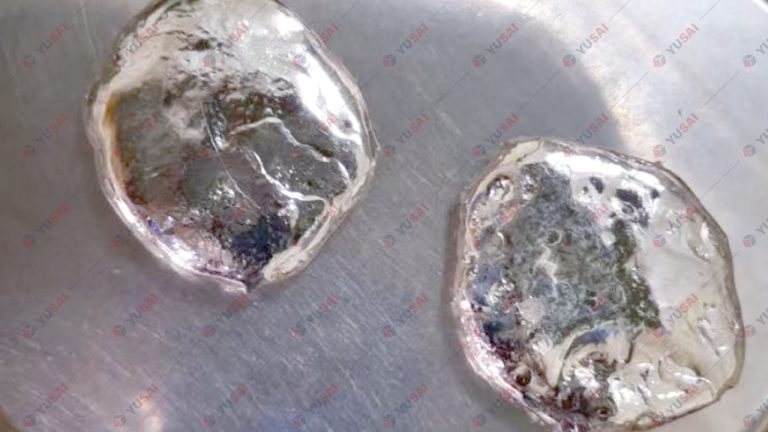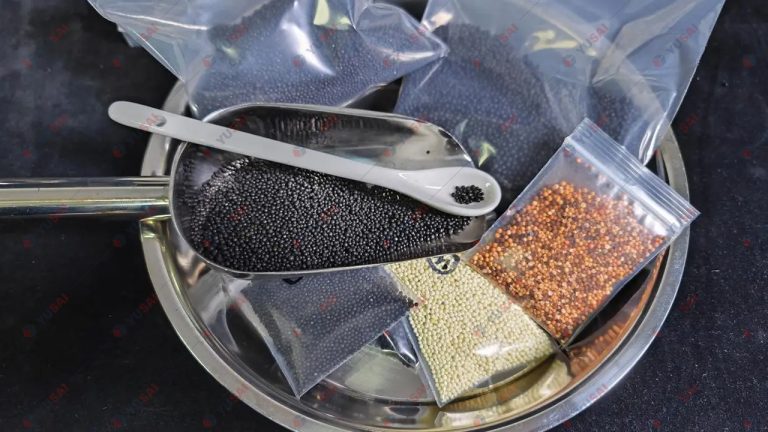
Nitrogen oxides (NOₓ), mainly nitric oxide (NO) and nitrogen dioxide (NO₂), are critical air pollutants. Nitric oxide is a colourless gas and quickly oxidises into nitrogen dioxide once exposed to air. Nitrogen dioxide is a reddish-brown gas with strong irritating odour.
NOₓ brings severe threats to ecosystems and human health. In the atmosphere, NOₓ contributes to acid rain, which corrodes buildings, damages soil and contaminates water bodies. It also participates in photochemical smog formation. Under sunlight, NOₓ reacts with hydrocarbons to generate ozone and other secondary pollutants. Photochemical smog irritates eyes and respiratory tracts, triggering cough, asthma and severe cardiopulmonary diseases. Moreover, NOₓ depletes the ozone layer, increasing UV radiation on the earth’s surface and raising risks of skin cancer.
For human health, NOₓ acts as a hidden hazard. Inhalation may cause bronchitis, pneumonia and even lung cancer with long-term exposure. It weakens human immunity and makes people more vulnerable to infectious diseases.
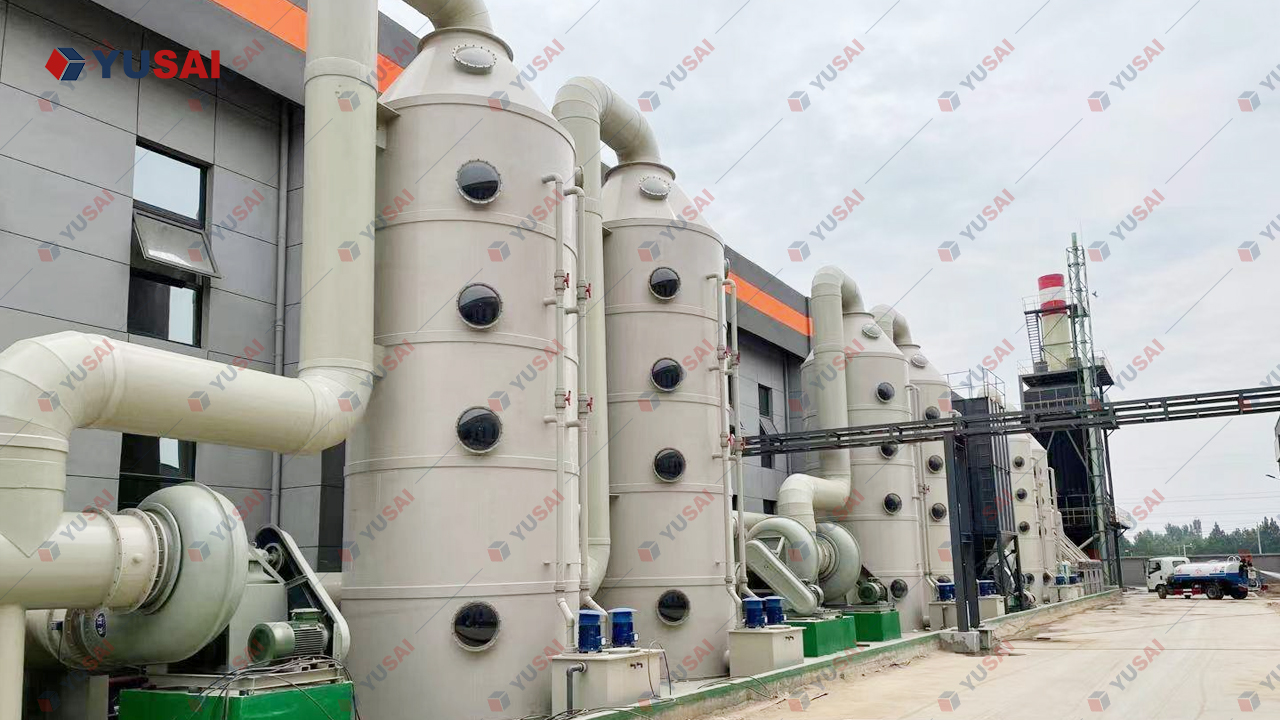
Main Industrial NOₓ Removal Technologies
Catalytic Reduction Technology
Catalytic reduction converts NOₓ into harmless nitrogen gas using reducing agents under suitable conditions.
Selective Catalytic Reduction (SCR) SCR uses ammonia (NH₃) as the common reducing agent and vanadium-titanium based catalysts. Reaction equations: 4NH₃ + 6NO → 5N₂ + 6H₂O 4NH₃ + 6NO₂ → 5N₂ + 6H₂O
Ammonia is mixed with NOₓ-containing flue gas before passing through catalyst layers inside boiler flue ducts. NOₓ is reduced into nitrogen and water vapour. SCR delivers high denitrification efficiency of 80%–95%. It is widely deployed in thermal power plant boilers and large combustion facilities.
Selective Non-Catalytic Reduction (SNCR) SNCR requires no catalyst. Urea or ammonia solution is injected into furnace zones at 850℃–1100℃ for NOₓ reduction. Urea decomposes into ammonia at high temperature and reacts with NOₓ. Reaction: 2CO(NH₂)₂ + 4NO + O₂ → 4N₂ + 2CO₂ + 4H₂O
SNCR features simple equipment and low upfront investment. Its NOₓ removal efficiency ranges from 30% to 80%, lower than SCR.
Absorption Technology
Absorption methods capture NOₓ by liquid absorbents. Water absorption has limited removal performance due to low NOₓ solubility in water, and it is mostly used for preliminary treatment.
Alkali absorption is more widely adopted. Sodium hydroxide solution reacts with NO₂: 2NO₂ + 2NaOH → NaNO₂ + NaNO₃ + H₂O Sodium carbonate solution can also be applied: 2NO₂ + Na₂CO₃ → NaNO₂ + NaNO₃ + CO₂
Alkali liquor effectively removes NOₓ, yet nitrite and nitrate by-products require further disposal. Sodium sulfite solution is another alternative absorbent.
Adsorption Technology
Adsorption removes NOₓ by porous adsorbents such as activated carbon and molecular sieves. Activated carbon has abundant micropores and large specific surface area. It captures NOₓ via physical and chemical adsorption. Once saturated, activated carbon can be regenerated through heating or pressure reduction to restore adsorption capacity. Molecular sieves provide excellent selective adsorption performance for NOₓ.
Comparison of Process Advantages, Drawbacks & Application Scenarios
Catalytic Reduction (SCR & SNCR)
✅ Advantages
- SCR achieves ultra-high denitrification efficiency to meet strict global emission standards
- Mature technology with decades of industrial operation experience
❌ Disadvantages
- Catalysts are costly and need periodic replacement, increasing operating expenditure
- Ammonia storage and transportation need strict safety protection
Application: Large industrial boilers, power plants and sites with high NOₓ loading where strict emission limits apply.
Absorption Technology
✅ Advantages
- Simple equipment and low capital cost
- Easy operation and low requirement for operators
❌ Disadvantages
- Continuous absorbent consumption leads to high running cost
- Produces nitrogen-containing salt waste, which may cause secondary pollution without proper handling
Application: Small & medium emission sources, or used as pretreatment combined with other purification processes.
Adsorption Technology
✅ Advantages
- Good selectivity for NOₓ capture
- Adsorbents can be regenerated and reused to cut long-term costs
❌ Disadvantages
- Limited adsorption capacity, requiring regular regeneration or adsorbent replacement
- Large footprint for adsorption vessels
Application: Low-concentration NOₓ waste gas, such as exhaust gas from electronic manufacturing.
Development Trends of NOₓ Treatment Solutions
As environmental regulations become increasingly stringent worldwide, NOₓ abatement technologies keep evolving.
Ongoing R&D optimises existing processes. New catalyst formulations boost SCR performance while lowering cost and improving reagent tolerance. Novel absorbents reduce secondary pollution for wet absorption. Advanced adsorbents feature larger adsorption capacity and higher selectivity.
Combined process solutions become a mainstream trend. For example, absorption pretreatment cuts NOₓ concentration, followed by SCR deep purification. Combined systems maximise strengths of each unit, enhance overall removal efficiency and optimise total cost.
Intelligent control is also integrated into denitrification systems. Real-time sensors monitor NOₓ concentration and other gas parameters, automatically adjusting reagent dosing and operating conditions to realise precise, stable and efficient treatment. In the future, NOₓ abatement systems will become greener, more efficient and cost-effective to support global air quality protection.