We are a high-tech enterprise focusing on precious metal electrolytic refining equipment and complete solid waste recycling production lines. With over 20 years of experience in equipment manufacturing and process R&D, we provide customized complete recycling and purification solutions based on raw material characteristics and processing capacity.
Refining Process of Platinum-Rhodium Alloy Scrap
Platinum-rhodium alloy features extremely strong chemical stability, which makes it difficult to dissolve by simple aqua regia. The mainstream industrial route is aluminum granulation + hydrometallurgical refining, widely used for platinum-rhodium wires, thermocouple scraps and alloy blocks. Large-scale factories adopt chlorine aqueous dissolution and solvent extraction separation for continuous production.
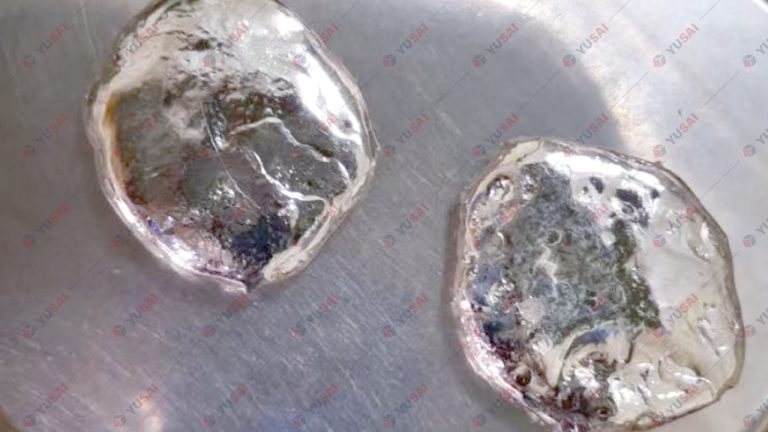
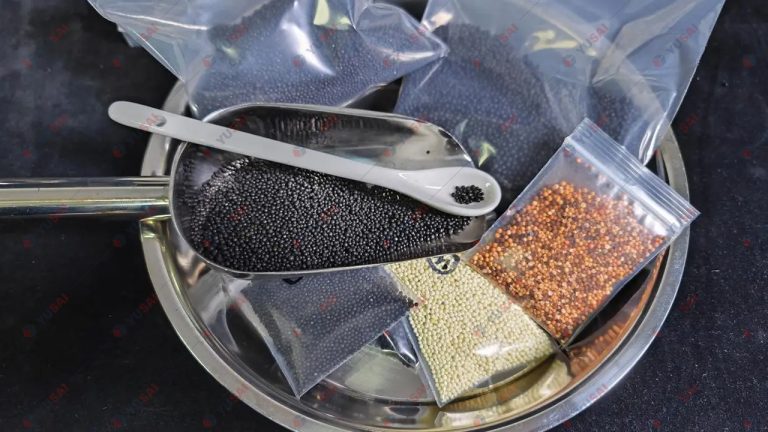
- Pretreatment & Impurity Removal The scrap is cut, crushed and milled to separate impurities such as ceramics, heat preservation materials, iron and copper. For feedstock with a large amount of refractory carriers, roasting and alkali fusion are applied for silicon removal to enrich platinum and rhodium into high-grade slag. Aluminum granulation is a key pre-process: melt platinum-rhodium material together with aluminum, then quench in water to form aluminum‑platinum‑rhodium alloy. Dilute hydrochloric acid dissolves aluminum, leaving highly active fine platinum‑rhodium powder, greatly reducing the difficulty of subsequent leaching.
- Leaching & Nitrate Removal The platinum-rhodium powder is heated and dissolved in hydrochloric acid with sodium chlorate or chlorine gas. After dissolution, the solution is heated to completely remove nitrate radicals, which will seriously interfere with the separation of platinum and rhodium. Filtration is carried out to obtain the stock solution containing Pt⁴⁺ and Rh³⁺ chloride complexes.
- Separation of Platinum and Rhodium (Core Step) Two mature technical routes are available:
- Precipitation method: Add ammonium chloride to precipitate ammonium chloroplatinate, filter to separate platinum salt. The filtrate is further processed for rhodium recovery. Suitable for small and medium batches with low investment, the purity reaches 99.90%–99.95%.
- Solvent extraction method: Selective extraction of platinum by extractants such as dioctyl sulfide or TBP, while rhodium remains in the aqueous phase. High-purity platinum solution is obtained after back-extraction. Rhodium solution is further purified by ion exchange. This continuous process is adopted by large plants with stable batch quality and higher metal recovery rate.
- Reduction, Calcination and Refining Platinum salt is calcined to get platinum sponge. Rhodium solution is reduced by hydrazine hydrate, formic acid or hydrogen to produce rhodium sponge. For ultra-high purity requirements, supporting electrolytic refining units are used. Finally, high-frequency induction melting furnace casts sponge metal into platinum‑rhodium ingots or wires. Typical recovery rate: Pt 98~99.2%, Rh 97~98.6%, finished purity ≥99.95%.
- Waste Treatment Nitrogen oxide flue gas is absorbed by alkaline spray system. Trace platinum group metals in tail water are captured by chelating resin for secondary recovery before wastewater discharge. Filter residues and waste resin are handled as hazardous waste in compliance with regulations.
Introduction to Complete Set of Platinum-Rhodium Recycling & Refining Equipment
1. Pretreatment Section
Shearing machine, crusher, planetary ball mill, high-frequency induction melting furnace (for aluminum granulation), water quenching tank, magnetic separator, electrostatic separator, eddy current separator, drying oven, XRF spectrometer. These machines remove non-metal and base metal impurities and test platinum and rhodium content for material valuation and process monitoring.
2. Hydrometallurgical Leaching Section (Anti-corrosion Equipment: Titanium / PP / PTFE Lining)
Titanium reactor / PTFE-lined stirred tank with temperature control, stirring and negative pressure exhaust, chemical dosing system, chlorine or sodium chlorate feeding unit, vacuum filtration set, plate and frame filter press, filter cake washing tank and liquid storage tanks. Used for chlorination leaching, nitrate removal and solid-liquid separation.
3. Platinum & Rhodium Separation and Purification Section
Mixer-settler extraction boxes (PP material), ion exchange columns filled with platinum-group chelating resin, precipitation reaction tanks and dripping dosing system. For selective separation, deep impurity removal and recovery of trace noble metals from waste liquid.
4. Reduction, Calcination and Casting Section
Muffle furnace / tube calcination furnace (optional hydrogen reduction), high-frequency induction melting furnace, centrifugal dewatering machine and cleaning tank. Convert platinum and rhodium salts into sponge metal and cast into ingots.
5. Electrolytic Refining Section (Optional for High Purity Orders)
Titanium platinum‑rhodium electrolytic cell, high-frequency rectifier power supply, DSA anode, cathode plate and circulating pump. Matching drying oven for baked platinum‑rhodium sheets and sponge materials.
6. Flue Gas & Wastewater Environmental Protection System (Mandatory Supporting Facilities)
Acid mist spray tower, activated carbon adsorption box, negative pressure fume hood, pH adjustment tank, heavy metal capture reaction tank, resin adsorption tower, filter press and clean water tank.
7. Automatic Auxiliary System
PLC control cabinet, online pH & temperature sensors, flow meters, weighing system, interlock ventilation system and anti-corrosion personal protective equipment.
Two Recommended Production Line Configurations
- Small Batch Intermittent Line (Platinum-rhodium wire, small alloy batches) Aluminum granulation furnace + PTFE reaction tank + filtration system + precipitation reactor + muffle furnace + flue gas scrubber. Low investment with manual operation, suitable for lab-scale and small refineries adopting precipitation separation.
- Medium-Sized Continuous Hydrometallurgical Line (Bulk thermocouple scrap, platinum-rhodium refractory brick waste) Ball milling & sorting → titanium leaching reactor → extraction box → ion exchange → reduction & calcination → induction melting + full environmental protection system. High automation, stable recovery efficiency for bulk incoming materials.
Our Supporting Product Lines & Services
Besides platinum-rhodium recycling equipment, we supply a full portfolio of noble metal and solid waste recycling turnkey plants:
- Gold, silver, copper electrolytic refining units for anode slime and precious scrap, product purity up to 99.99%
- PGM recovery lines for spent three-way catalytic converters (Pt, Pd, Rh), iridium and ruthenium refining equipment
- E-waste PCB recycling & precious metal extraction plant
- Solar panel recycling plant, lithium battery recycling plant
- Aluminum plastic separation line, waste home appliance shredding & sorting line
We provide one-stop customized plant design according to raw material type, daily capacity and site condition, 24-hour quick technical proposal, equipment installation, commissioning, on-site after-sales service, process technology transfer, environmental consultation and supporting dust removal & automatic control system.
Notes
Rhodium is much harder to dissolve and separate than platinum. Many simple devices only recover platinum with heavy rhodium loss. The separation unit determines the overall recovery benefit. High-temperature aqua regia is corrosive, so titanium or thick PTFE lining is required for leaching reactors. NOx and chlorine gas are highly toxic; negative pressure collection and alkaline absorption are essential for safe and compliant production.