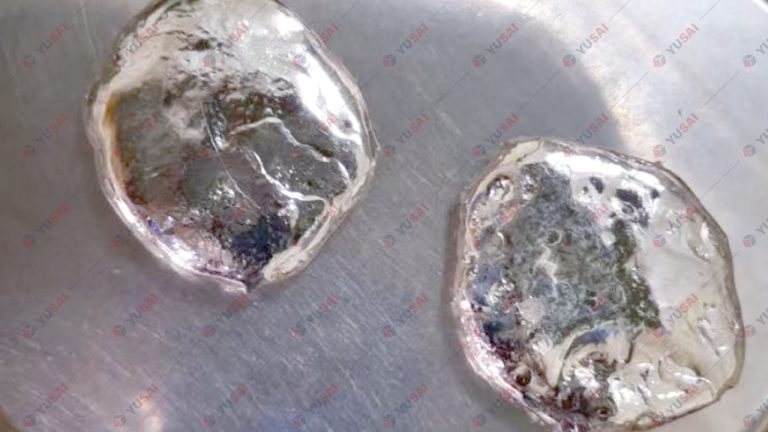
E‑waste represents one of the most important secondary resources for gold, silver, platinum, palladium and rhodium. While extracting precious metals from electronic scrap sounds like a high‑profit shortcut for new investors, practical recycling involves strict process control, raw‑material evaluation, proper equipment configuration and risk awareness. Unrealistic profit expectations and blind investment often lead to heavy financial losses. Raw‑material availability, purchasing cost, feed‑grade variation and technical capability directly determine project profitability. Most e‑waste precious‑metal recycling projects are limited in physical scale rather than profit potential, so operators should adopt a step‑by‑step approach rather than pursuing oversized setups at the initial stage.
Typical E‑Waste Feedstock with Precious‑Metal Content
A wide range of scrap materials carry economically recoverable precious‑metal fractions:
- Waste mobile‑phone components: circuit boards, chips, connectors, battery contacts, SIM‑cards and gold‑plated parts
- Computer hardware scrap: motherboards, CPU chips, RAM modules, connectors, north‑bridge / south‑bridge chips
- Industrial waste: electroplating sludge & wastewater, jewellery‑factory scrap, telecommunication board cards, plated electronic pins and aviation connectors
- Silver‑bearing waste: spent X‑ray / CT films, photographic fixer waste liquid, silver‑plated components, silver contact points and multi‑layer ceramic capacitors (MLCCs) containing palladium‑silver formulations.
Different feedstock types vary greatly in metal grade. Manual sorting and pre‑classification are critical before chemical or metallurgical processing to boost recovery rates and cut reagent consumption.
Equipment Configuration by Production Scale
Precious‑metal recycling systems can be configured for laboratory‑scale trial, mid‑size workshop‑level operation or full‑scale industrial production.
Small‑scale trial & laboratory testing
For technical validation and process learning, glass labware is widely adopted to observe colour changes and reaction performance: electric heating stove, beakers, measuring cylinders, vacuum funnels, qualitative filter paper, pH test strips, glass stirring rods plus standard chemical reagents. This setup is suitable for process study rather than commercial mass output.
Medium‑scale workshop production
Industrial‑grade plastic reaction tanks, filter units and auxiliary heating assemblies are deployed. Pre‑treatment equipment such as shredders and crushing units are required for board‑type e‑waste. Operators must manage fume containment and waste‑liquid neutralisation to satisfy basic occupational‑safety requirements.
Large‑scale industrial production
Fully‑integrated production lines adopt enamel‑lined reactors, anti‑corrosion stainless‑steel reaction vessels, electrolytic refining units, solid‑liquid separation systems, crushing & sorting machinery and dedicated waste‑gas treatment devices (nitrogen‑oxide absorption & scrubbing systems). The complete line includes mechanical pre‑processing, hydrometallurgical leaching, selective precipitation, electrolytic recovery, smelting‑casting and tail‑gas disposal. Industrial‑scale plants need professional engineering design, CE‑compliant safety configurations and environmental protection facilities, supporting continuous processing of printed circuit boards, lithium‑battery black mass, solar‑panel scrap and e‑waste batches.
Key industrial‑grade core equipment covers:
- Mechanical pre‑processing: e‑waste dismantling machines, crushing & separation production lines
- Hydrometallurgical reactors: enamel‑lined neutralisation reactors, leaching tanks
- Precious‑metal electrolysis & electrowinning equipment: high‑current‑density gold / silver / copper electrolytic refining machines
- Smelting and casting units for sponge‑metal melting into ingots
- Flue‑gas & NOₓ waste‑gas treatment systems for acid‑fume abatement
Core Practical Hydrometallurgical Processes for Main Feedstocks
All wet‑chemistry operations require good ventilation and anti‑corrosion personal protection. The below outlines mainstream practical workflows adapted for industrial‑scale equipment.
Silver recovery from spent fixer solution & photographic waste
Silver‑rich waste liquid comes from medical radiology departments, photo labs and printing houses. Industrial equipment supports two routes: sulphide precipitation or direct electrolytic silver recovery.
- Measure silver concentration of incoming wastewater for raw‑material pricing.
- Add sodium sulphide solution under stirring to generate silver sulphide precipitate.
- Filter and collect silver‑sulphide sludge; dissolve sludge with nitric acid inside sealed reactors with fume extraction. Remove sulphur‑based insoluble residues via filtration.
- Adjust pH value of filtrate, add zinc powder for cementation to produce sponge silver.
- Filter, wash and send sponge‑silver to smelting‑casting station for silver ingot output.
For higher‑volume sites, electrolytic silver‑recovery units directly plate metallic silver from silver‑bearing wastewater without large volumes of chemical precipitants, improving reagent circular‑usage rate.
Silver stripping and recovery from silver‑plated components
Mixed‑acid stripping dissolves surface silver layers from electronic plated‑scrap. The spent stripping solution is diluted under controlled temperature‑rise management. Sodium chloride is added to precipitate silver‑chloride solids. After filtration and washing, ammonia conditioning plus hydrazine hydrate reduction yields sponge silver ready for melting.
Gold extraction from copper‑base gold‑plated parts
- Use heated dilute nitric acid inside reactors to dissolve copper base‑metal, separating floating gold‑rich residues.
- Filter and wash gold residues, transfer into leaching reactors for aqua‑regia dissolution under controlled heating.
- Perform nitrate‑removal (denitration) by repeated hydrochloric‑acid addition under evaporation to expel nitrogen‑oxide fumes. This step is critical for downstream precipitation purity.
- After cooling and dilution, add ferrous‑sulphate or sodium‑sulphite reducing agent under controlled temperature to precipitate sponge gold.
- Purify sponge gold with hot dilute nitric‑acid washing, dry and smelt into gold ingots.
Gold recovery from waste CPU chips and PC‑board north‑ / south‑bridge chips
- Pre‑treat CPUs: heated nitric‑acid leaching dissolves pin‑leg base metals, collecting floating gold‑rich fragments.
- For north‑bridge / south‑bridge chips: thermal decomposition removes resin packaging, followed by fine grinding and washing to separate light ash fractions from heavy‑density gold‑bearing slag.
- Remove residual base metals with heated nitric‑acid leaching; filter and wash solid residues.
- Apply aqua‑regia leaching, denitration, dilution and reductive precipitation following the gold‑refining workflow above.
Palladium recovery from multi‑layer ceramic capacitors (MLCCs)
MLCCs retrieved from waste mobile‑phone and computer boards are primary palladium‑bearing e‑waste feedstock.
- Roast raw MLCC materials to burn organic binders; crush material into fine powder.
- Hot nitric‑acid leaching dissolves palladium and silver fractions. Filter solid residues.
- Add hydrochloric acid to precipitate silver‑chloride for silver‑recovery loop.
- Carry out denitration for palladium‑containing filtrate. Raise pH to 8‑9 by ammonia dosing under heating, filter out impurities.
- Lower pH to 1.0‑1.5 with hydrochloric acid to precipitate palladium‑ammonium complex in yellow flocculent form.
- Filter and wash precipitate; reduce using hydrazine hydrate at controlled temperature to obtain sponge palladium, then smelt for palladium‑metal ingots.
Spent colloidal‑palladium waste‑liquid recycling
Apply thermal gel‑breaking inside sealed reactors to generate palladium‑rich solid precipitate. Filter sludge, dissolve with nitric acid, perform denitration and follow the palladium‑separation & reduction sequence described above.
Electrolytic Refining for Higher‑Purity Final Products
Chemical reduction produces sponge‑metal with acceptable purity, while electrolytic refining equipment upgrades metals to high‑purity ingots. Gold electrolysis, silver electrolysis and copper electrolysis units adopt high‑current‑density designs. Impure sponge‑metal serves as anode, and pure precious metal deposits on cathode plates. Electrowinning equipment can also directly recover precious metals from diluted leachate streams, minimising chemical‑reagent consumption and improving metal yield.
Key Project Considerations for Operators
- Raw‑material sorting and grading: Different e‑waste batches show large precious‑metal grade differences. Sort high‑value components separately to raise overall recovery and lower reagent cost.
- Recovery‑rate expectation: Real‑world industrial precious‑metal recovery ratios are subject to feedstock quality and equipment condition. Exaggerated “dozens‑fold profit” claims are unrealistic. Profitability hinges on stable raw‑material supply and proper cost control.
- Fume and wastewater management: Hydrometallurgical leaching generates acid fumes and nitrogen‑oxide gas. Matching waste‑gas scrubbing and wastewater neutralisation systems are mandatory for safe, compliant production.
- Scalable modular equipment design: Modular layout allows clients to expand capacity gradually, starting from pilot trials to full‑scale continuous production.
- Quality certification: Industrial‑grade recycling plants should comply with ISO9001 quality‑management standards and CE safety certification for cross‑border project deployment.
Application Coverage of Recycling Solutions
Complete precious‑metal recovery and refining solutions are adaptable for diversified secondary‑waste streams:
- E‑waste recycling lines for printed‑circuit‑board scrap, waste household‑appliances and electronic components
- Spent lithium‑ion‑battery hydrometallurgical processing for ternary and LFP black‑mass materials
- Lead‑acid battery recycling production lines
- Solar‑panel recycling systems
- Pyrolysis / carbonisation units for battery and biomass feedstock
Customised engineering packages include equipment supply, process‑flow consulting and layout guidance for global recycling operators.