Introduction
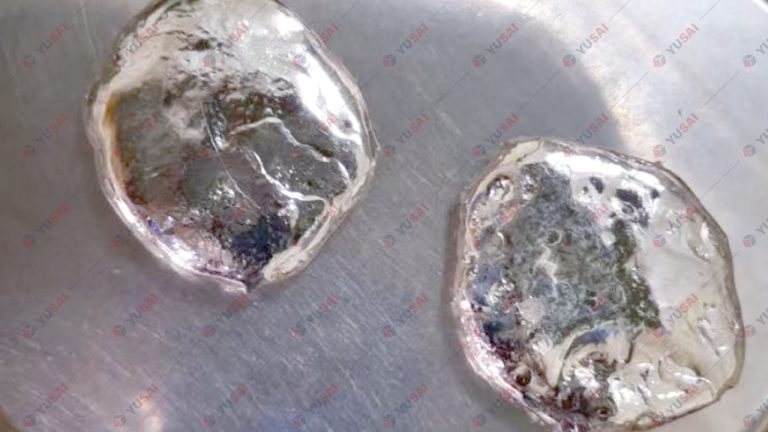
Platinum group metals (PGMs: platinum, palladium, rhodium) are high‑value critical raw materials widely used in electronic components, electroplating industry, precision parts and catalytic materialsPMC. Primary mineral resources are scarce, while large‑volume secondary resources including waste printed circuit boards, spent electroplating baths, stripping waste, plating sludge and discarded electronic components contain considerable PGM values. Hydrometallurgical recycling can reclaim these precious metals and further produce qualified PGM chemical salts for industrial reuse, realizing circular economy for precious‑metal resourcesSemantic S….
This article summarizes practical technical workflows covering waste pretreatment, plating‑layer stripping, wet‑metallurgical leaching, selective separation, quantitative analysis, metal refining and fine‑chemical synthesis for platinum, palladium and rhodium from electronic scraps and electroplating waste streams.
1. Typical PGM‑Bearing Secondary Raw Materials
High‑recycling‑value waste materials include:
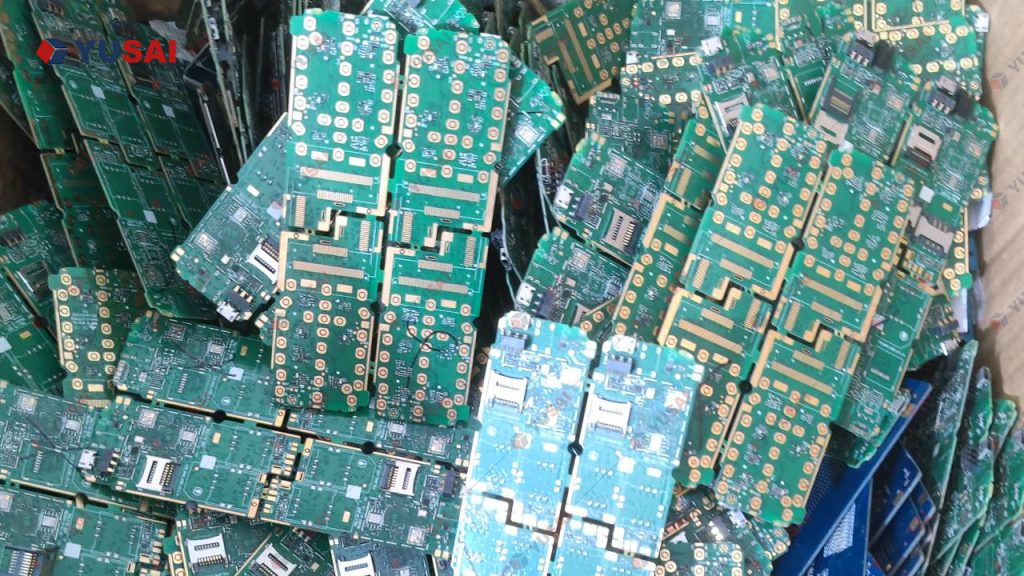
- Waste printed circuit boards, scrapped capacitors, platinum‑rhodium thermocouple scraps, spent catalyst carriers, platinum/palladium‑plated parts.
- Spent platinum‑plating, palladium‑plating and rhodium‑plating solutions; electroplating sludge, stripping waste liquid, polishing sludge containing PGMs.
- Platinum‑ / palladium‑containing compounds, filter residues and precipitates generated from electroplating production.
2. Stripping Technology for Unqualified PGM Plating Layers
Selective stripping removes defective platinum‑group‑metal coatings while minimizing corrosion of base substrates. Two major technical routes are chemical stripping and electrolytic stripping.
2.1 Chemical Stripping
Different stripping formulas are selected according to base‑material types (steel, copper alloy, stainless steel, plastic‑plated substrates). Nitric‑acid‑based systems, nitro‑aromatic compound systems and complexing additives are adopted to control stripping speed and protect base metals. Mixed acid systems of nitric acid‑hydrofluoric acid can strip nickel‑base platinum coatings without obvious substrate erosion. For chemical‑nickel‑plated iron parts, mixed solutions of m‑nitrobenzene sulfonate, alkali and complexing agents deliver uniform stripping effect on complex‑geometry workpieces.
2.2 Electrolytic Stripping
Workpieces serve as anodes in prepared electrolyte baths. Typical electrolyte composition includes nitrates, complexing agents, corrosion inhibitors and surfactants. Operating parameters: controlled anode current density, moderate temperature, matched cathode material and area ratio. This method realizes controllable stripping for palladium layers on copper, brass and silver substrates with low base‑metal attack.
Note: Corrosive acids and toxic reagents are involved; all stripping operations must run under fume‑extraction ventilation with proper personal protective equipment.
3. Pretreatment of Solid Electronic Waste
For waste circuit boards and electronic components:
- Dismantling: Manually or thermally remove surface‑mount chips, capacitors and discrete components for separate classification.
- Roasting: Heat feedstock at 350‑450 °C to decompose organic epoxy resin, plastic encapsulation and binders, reducing subsequent acid consumption.
- Crushing & milling: Grind roasted residues down to 200‑mesh fine powder to enlarge reaction contact area for leaching.
After pretreatment, base metals such as copper, nickel, silver can be leached by dilute nitric acid. Gold and platinum remain in acid‑insoluble residues, which are further treated by aqua‑regia dissolution to transfer PGMs into liquid phaseAmerican C….
4. Hydrometallurgical Recovery Workflow for Palladium
Palladium features relatively high chemical activity among PGMs. It dissolves directly in dilute nitric acid, which enables separation from gold and platinum that are stable in nitric‑acid media.
4.1 Leaching
Roasted and milled e‑waste powder is leached with 20‑25 wt% nitric acid under 70‑80 °C for 1.5‑2 hours. Palladium, silver, copper, nickel enter nitrate‑containing leach liquor; gold and platinum stay within filter cake for separate recovery. Filtrate proceeds to purification steps.
4.2 Silver Removal & Nitric‑Acid Fuming
Add hydrochloric acid under heating and stirring to precipitate silver as silver chloride solid for silver recovery. Heat filtrate and repeatedly add concentrated hydrochloric acid to drive off nitrogen‑oxide fumes (denitration). Palladium converts into chloropalladous acid (\(H_2PdCl_4\)) in chloride‑rich acidic solution.
4.3 Ammonia Complexing Purification
Heat denitrated solution to 80‑90 °C. Dropwise add ammonia water and control pH below 7.5, producing flesh‑red precipitate of tetraamminepalladium tetrachloropalladate. Filter and wash precipitates to remove most base‑metal impurities. Further add ammonia to pH 8‑9 at 80‑90 °C to dissolve precipitate into soluble tetraamminepalladium(II) chloride solution.
If impurity content exceeds specification, adjust pH to 1.0‑1.5 with concentrated hydrochloric acid to precipitate yellow diamminepalladium(II) chloride. Re‑dissolving in ammonia followed by re‑precipitation can upgrade purity repeatedly up to >99.9 %.
4.4 Production of Sponge Palladium
Wet diamminepalladium(II) chloride precipitate is mixed with deionized water. Hydrazine hydrate is added under stirring and heated to 50‑60 °C. Palladium is reduced to black sponge‑palladium powder. Filter, wash and dry to obtain high‑purity sponge palladium with typical purity ≥99.9 %.
Alternative precipitation method: Xanthate (butyl xanthate) is a high‑selectivity precipitant for palladium. Under acidic conditions, palladium xanthate precipitate forms, which is calcined and hydrogen‑reduced to crude palladium for further refining.
5. Hydrometallurgical Recovery Workflow for Platinum
Platinum mostly exists in aqua‑regia‑leach liquor of solid waste or spent platinum‑plating baths. Zinc‑powder cementation, ammonium‑chloride precipitation and reduction methods are commonly used.
- Adjust pH of platinum‑containing waste solution to ~3. Add zinc powder or zinc blocks for cementation to co‑precipitate platinum and gold.
- Dissolve cementation residue with aqua regia, evaporate and add hydrochloric acid repeatedly for denitration.
- Add saturated ammonium‑chloride solution to form yellow ammonium hexachloroplatinate precipitate \((NH_4)_2PtCl_6\).
- Filter and wash precipitate with dilute ammonium‑chloride solution. Calcine precipitate inside muffle furnace with slow temperature‑ramp: decompose ammonium salt below 400 °C, then heat to 850‑900 °C for 1 hour to yield grey‑black sponge platinum.
- Alternative reduction: Drop ammonium hexachloroplatinate into diluted hydrazine‑hydrate solution under ventilation for direct reduction to platinum powder.
6. Quantitative Analytical Methods for PGM Plating Baths
Accurate assay of platinum, palladium and rhodium content in spent plating solutions guarantees process control and product quality.
Platinum Assay
- Formic‑acid reduction gravimetric method: Reduce platinum ions to metallic platinum with formic acid under hot‑water‑bath conditions, filter, ignite and weigh precipitates. If palladium co‑exists, use dilute nitric acid to wash away palladium before final ignition.
- Ammonium hexachloroplatinate precipitation gravimetry: Precipitate platinum with saturated ammonium chloride, calcine precipitate to metallic platinum for gravimetric calculation.
Palladium Assay
Dimethylglyoxime gravimetric method is classic for palladium assay. Dimethylglyoxime‑ethanol reagent generates insoluble palladium‑dimethylglyoxime complex precipitate. Dry precipitate at 110‑120 °C and calculate palladium mass with conversion factor. EDTA back‑titration can also be applied after precipitate separation.
Rhodium Assay
Zinc‑reduction gravimetry: Reduce rhodium ions to metallic rhodium powder with high‑purity zinc sheet. Separate rhodium powder by centrifugation or filtration, dry at 120 °C (avoid high‑temperature ignition which causes rhodium oxide formation leading to positive error). Spectrophotometry and atomic‑absorption spectroscopy are suitable for trace rhodium determination.
7. Deep Processing: Prepare Industrial PGM Fine Chemicals
Recovered crude sponge platinum / sponge palladium can be converted into electroplating‑grade precious‑metal salts, directly reusable for electroplating production.
Platinum‑Based Chemicals
- Chloroplatinic acid: Dissolve sponge platinum with aqua regia, denitrate by repeated hydrochloric‑acid addition, concentrate solution to obtain chloroplatinic‑acid solution or crystal.
- Potassium / ammonium hexachloroplatinate: Add potassium‑chloride or ammonium‑chloride solution into diluted chloroplatinic acid solution for precipitation, filter and vacuum‑dry.
- P‑salt (Diamminedinitroplatinum(II)): Synthesized from potassium hexachloroplatinate with sodium nitrite and ammonia. It serves as key raw material for cyanide‑free platinum electroplating.
Palladium‑Based Chemicals
- Palladium(II) chloride: Dissolve palladium sponge with aqua regia, denitrate, evaporate to crystallize dihydrate palladium chloride.
- Tetraamminepalladium(II) chloride / diamminepalladium(II) chloride: Prepared by ammonia complexing‑acidification route, major raw materials for palladium electroplating.
- Palladium nitrate: Metallic palladium dissolves in concentrated nitric acid, concentrate and cool for crystallization of palladium‑nitrate dihydrate.
8. Key Technical Notes & Safety Reminders
- Aqua regia, concentrated nitric acid, hydrofluoric acid generate toxic corrosive fumes. All leaching, dissolution and fuming operations must run inside fully ventilated fume hoods. Wear acid‑resistant protective gear.
- Ammonium hexachloroplatinate and ammonium hexachloropalladate calcination releases ammonium‑chloride smoke; maintain ventilation during high‑temperature calcination.
- Hydrazine hydrate is toxic and reducing; avoid contact with oxidants. Ventilation is required for reduction procedures.
- Waste acid‑liquid and washing water after metal recovery must be neutralized and treated to remove heavy‑metal ions before discharge, complying with local environmental‑protection regulations.
- Repeated dissolution‑precipitation cycles are adopted for further purification when high‑purity PGM chemicals are required.
Conclusion
Secondary resources from electronic waste and electroplating industry represent valuable alternative sources for platinum, palladium and rhodium. Integrated workflows combining pretreatment, selective stripping, hydrometallurgical leaching, precipitation‑separation and fine‑chemical synthesis can realize effective recovery and high‑value conversion of PGMs. Optimizing reagent dosage, temperature and pH conditions improves metal recovery rate and final‑product purity. Strict safety and waste‑treatment protocols are essential for stable industrial‑scale operation.