Introduction
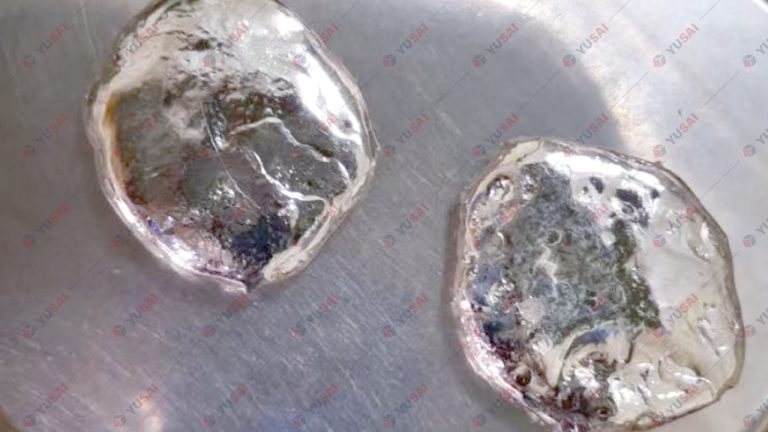
Platinum stands out among platinum‑group metals for its outstanding physical and chemical properties. It is widely applied in automotive catalytic converters, petrochemical processing, electronics, aerospace, medical devices, environmental protection and advanced new‑material sectors, and is regarded as a critical high‑tech industrial metal.
Traditional platinum refining mainly adopts the aqua‑regia dissolution plus repeated ammonium‑chloride precipitation workflow. This mature route brings notable drawbacks: large‑volume nitrogen‑oxide waste gas that is difficult to treat, heavy manual workload, and long operating cycles. To overcome these pain points, a hydrazine‑hydrate‑based reductive refining technology has been developed for high‑purity platinum sponge production, offering improved environmental performance and operational efficiency.
Process Principle
This innovative refining method relies on reversible redox conversion between tetravalent platinum and divalent platinum salts. Crude ammonium hexachloroplatinate (Pt(IV)) is reduced by hydrazine hydrate into soluble ammonium tetrachloroplatinite (Pt(II)). Subsequent chlorine oxidation converts Pt(II) back into poorly‑soluble ammonium hexachloroplatinate precipitate. Repeated redox cycling achieves effective separation of platinum from impurities and realizes purification
Hydrazine hydrate is an organic reducing agent that introduces no extra metallic contaminants to compromise platinum quality. Its reduction by‑products are nitrogen and hydrogen gas without harmful residual waste. Chlorine applied in the oxidation step generates manageable exhaust, avoiding the intractable nitrogen‑oxide pollution from classic aqua‑regia processes.

Experimental Workflow
Raw Material Pre‑treatment
Feedstock is crude ammonium hexachloroplatinate with initial purity of 95%‑98% and ~20% moisture content. Pre‑washing removes soluble ammonium salts and surface moisture. The crude material is mixed with 17% ammonium‑chloride solution at solid‑liquid ratio 1:10, heated to gentle boiling and held for 1 hour. After cooling and filtration, filter cake is washed with ammonium‑chloride solution followed by quick de‑ionized water rinsing, then dried for subsequent use.
Hydrazine Hydrate Reduction
Pretreated ammonium hexachloroplatinate is mixed with dilute hydrochloric acid solution under stirring and heated to near‑boiling state. Hydrazine hydrate is added in controlled excess. The insoluble yellow Pt(IV) precipitate gradually dissolves into rose‑colored ammonium tetrachloroplatinite solution with steady gas release. Solid ammonium chloride is supplemented to provide sufficient ammonium ions for later precipitation, then the system is cooled and filtered.
Chlorine Oxidation & Precipitation
Filtrate is heated to 90 °C, and chlorine gas is introduced under ventilation. Pure yellow ammonium hexachloroplatinate precipitates out. After full precipitation, the slurry boils for 10 minutes to expel residual dissolved chlorine. After cooling and suction filtration, filter cake is washed with ammonium‑chloride solution and de‑ionized water, then dried. Multi‑cycle reduction‑oxidation steps can be carried out for further upgrading. Finally, purified ammonium hexachloroplatinate is calcined to obtain platinum sponge.
Optimized Process Parameters
Multiple sets of comparative tests were conducted to evaluate influences of acidity, reaction time and solid‑liquid ratio on platinum direct recovery rate. Statistical analysis shows acidity and reaction time exert significant impact on yield, while solid‑liquid ratio shows relatively minor effect.
Optimum operating conditions are confirmed as below:
- Hydrochloric acid acidity: 4 mol/L
- Reaction holding time: 2.5 h
- Solid‑liquid ratio: 1:10
- Hydrazine hydrate excess dosage: 3 %
Under these optimized conditions, the single‑pass direct recovery of platinum reaches ~95 %. After three repeated purification cycles, the overall direct recovery stays around 86 %. All batches of calcined platinum‑sponge products fully meet international standards for 99.99‑grade high‑purity platinum sponge, with 100 % product qualification rate.
Key Technical Notes
- Low solution acidity or overly‑fast hydrazine hydrate feeding will trigger premature formation of fine platinum black particles, which leads to metal loss and reduces final recovery yield. Strict control over acidity and reagent addition speed is essential.
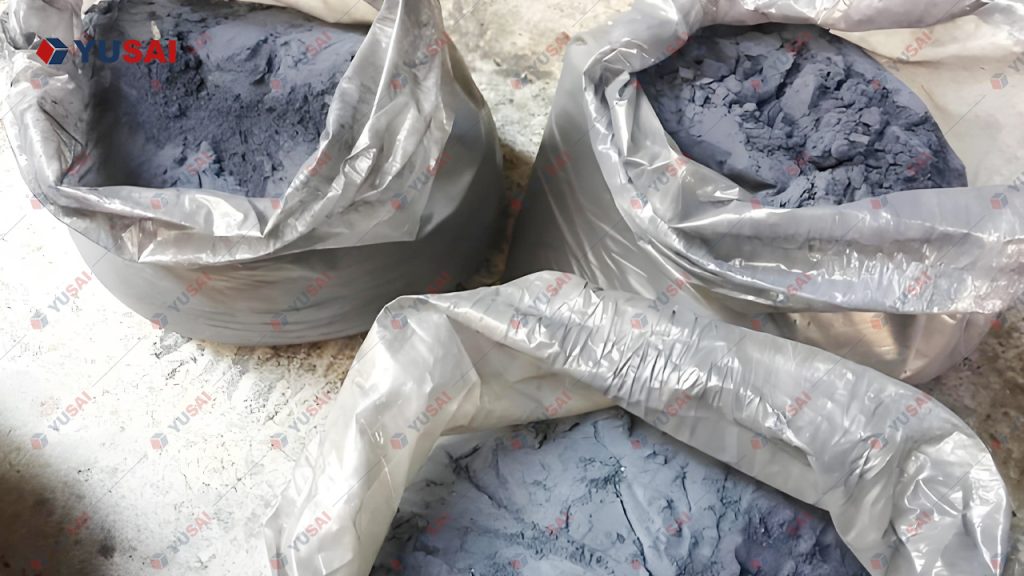
- The present process uses a relatively high solid‑liquid ratio of 1:10, generating considerable volume of wastewater. Cementation with zinc powder can drop residual platinum concentration in mother liquor down to 0.5 mg/L to satisfy industrial discharge requirements. Further mother‑liquor recycling can cut total wastewater output and lower treatment burden.
Technical Advantages & Industrial Outlook
Compared with conventional aqua‑regia‑based repeated precipitation, this hydrazine‑hydrate reduction refining technology features shorter processing cycles, lower labor intensity and easier exhaust‑gas governance. It delivers stable high‑purity platinum‑sponge output with favorable metal‑recovery performance.
The process demonstrates promising scalability for precious‑metal refineries, precious‑metal recycling facilities and catalyst‑production plants. It serves as a practical alternative for modern, environmentally‑friendly platinum purification.