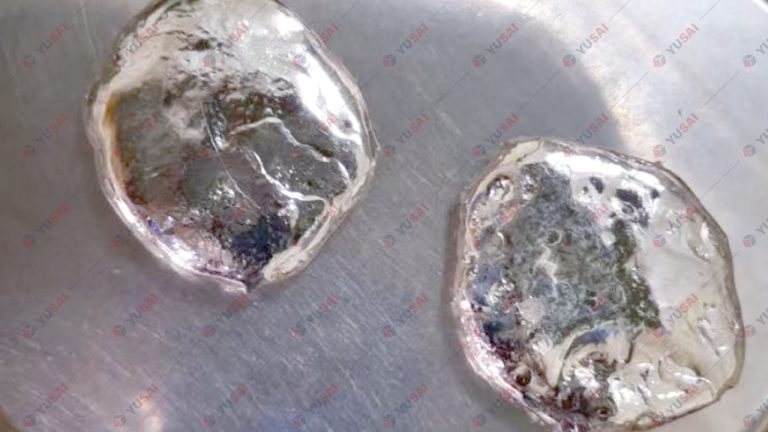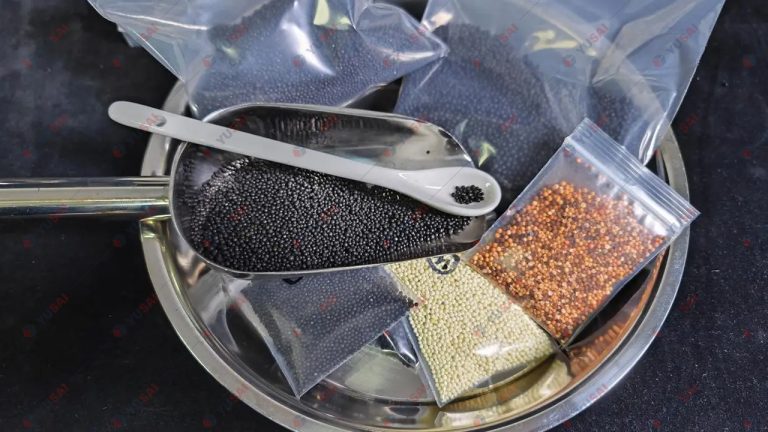
Palladium is a high-value platinum-group metal widely used in jewelry, electronics, industrial control systems, automotive catalysts and many advanced manufacturing sectors. Palladium extraction refers to the full process of separating and enriching palladium from raw palladium ores or secondary palladium-bearing waste materials to produce high-purity palladium metal. This article introduces mainstream palladium extraction technologies, typical workflows, auxiliary separation methods and core industrial equipment for your reference.
1. Main Palladium Extraction Technologies
1.1 Chemical Hydrometallurgical Method
The chemical route is the most widely adopted process for palladium recovery, suitable for both palladium ores and various palladium-containing scraps.
- Roasting: Palladium-bearing feedstock is treated under high temperature to burn away combustible impurities and organic components, preparing the material for subsequent leaching.
- Acid Leaching: Roasted materials are loaded into leaching tanks and dissolved with matched acid solutions such as hydrochloric acid and nitric acid. Palladium transfers into the aqueous phase to form palladium-bearing leachate.
- Solvent Extraction: Selective extractants including D2EHPA are applied to separate palladium ions from mixed acidic liquor, separating palladium from base metal impurities.
- Reduction: Palladium compounds in the organic phase are reduced by reducing agents such as hydrogen or DMF, generating crude palladium powder.
- Final Refining: Electrolysis or secondary solvent extraction removes residual silver, copper, nickel and other impurity metals to obtain high-purity palladium.
1.2 Physical Separation Method
Physical separation relies on differences in density, melting point and magnetic properties between palladium and gangue metals. It delivers fast separation and relatively pure crude palladium, though it cannot meet ultra-high purity requirements alone.
- Gravity Separation: Gravity separators sort palladium-rich minerals by density difference through water flow or airflow.
- Magnetic Separation: Magnetic separators separate palladium-bearing materials from magnetic gangue based on different magnetic responses.
- Sublimation Separation: Controlled heating enables selective sublimation of target components, separating palladium from mixed materials by distinct sublimation temperatures.
2. Standard Process Flow
2.1 Chemical Extraction Workflow
- Raw ore / scrap pre-treatment: mineral dressing and roasting to remove bulk impurities.
- Acid digestion: target palladium dissolves into acidic leachate.
- Selective solvent extraction: palladium is captured and separated from impurity metals.
- Reduction: palladium compounds converted into metallic palladium powder.
- Deep refining: electrolysis or re-extraction to remove trace impurities for high-grade palladium.
2.2 Physical Extraction Workflow
- Gravity separation: separate palladium concentrates by density difference.
- Magnetic separation: remove magnetic mineral impurities.
- Thermal sublimation: heat the mixture to realise temperature-based phase separation of palladium.
3. Auxiliary Technologies to Boost Recovery & Purity
Activated Carbon Adsorption
Activated carbon is added directly into palladium leachate to selectively adsorb dissolved palladium. It improves total metal yield and can reach palladium purity above 99.9%. This method is popular for dilute leaching solutions.
Solvent Extraction
Solvent extraction is a selective hydrometallurgical separation technique. Proper low-waste, eco-friendly extractants selectively bind palladium ions. It is suitable for primary ore resources and secondary waste palladium recovery.
Ion Exchange Technology
Special ion-exchange resins adsorb palladium ions from low-concentration feed liquid. Elution strips concentrated palladium from resin beds. This technology is ideal for low-grade palladium ore, effectively upgrading dilute palladium streams.
Vacuum Metallurgy
Vacuum melting or inert-atmosphere smelting is a physical refining route. Under low-pressure or oxygen-free conditions, volatile impurities are eliminated, raising palladium grade and recovery rate for low-palladium feedstock.
4. Core Equipment for Palladium Refining
Reflux Extractor
Reflux extractors strengthen liquid-liquid contact between aqueous feed and organic extractant via circulating reflux. Continuous repeated contact greatly accelerates palladium mass transfer and extraction efficiency, widely used in hydrometallurgical lines.
Centrifuge
Industrial centrifuges use centrifugal force to separate materials of different densities. Available in manual and automatic models; automatic centrifuges offer higher throughput and stability for ore slurry and scrap feed pretreatment.
Electrolytic Refining Unit
Electrolysis equipment is the standard unit for final high-purity palladium production. Under direct current, dissolved palladium ions are reduced and deposited onto cathodes. The finished palladium product can reach purity up to 99.99%.
Vacuum System
Vacuum equipment serves both chemical and physical refining processes. It reduces oxygen, moisture and gaseous contamination during heating and reaction stages, stabilising refining quality and minimising secondary impurity intake.
Conclusion
Palladium extraction is a customisable metallurgical process. Ore composition, palladium grade and impurity types decide the optimal process combination. Chemical and physical routes each carry unique strengths and application boundaries. Auxiliary adsorption, ion exchange and vacuum metallurgy further lift recovery performance.
As downstream industries demand stricter palladium purity, extraction processes and supporting equipment keep evolving. Mature palladium recovery technology supports stable, sustainable supply for global electronics, catalyst, jewellery and precision control sectors.