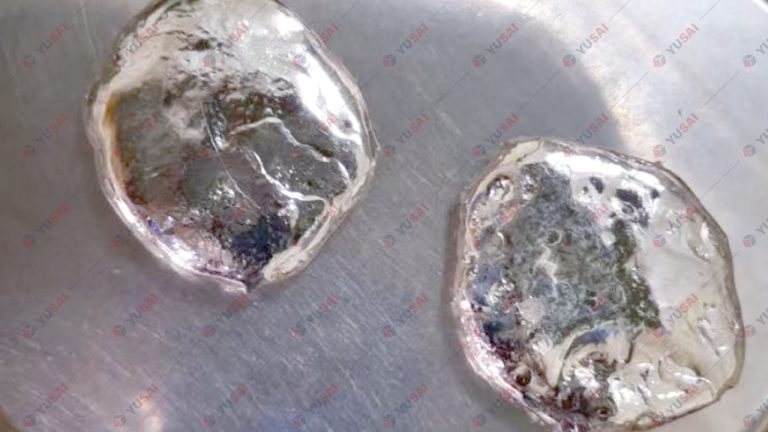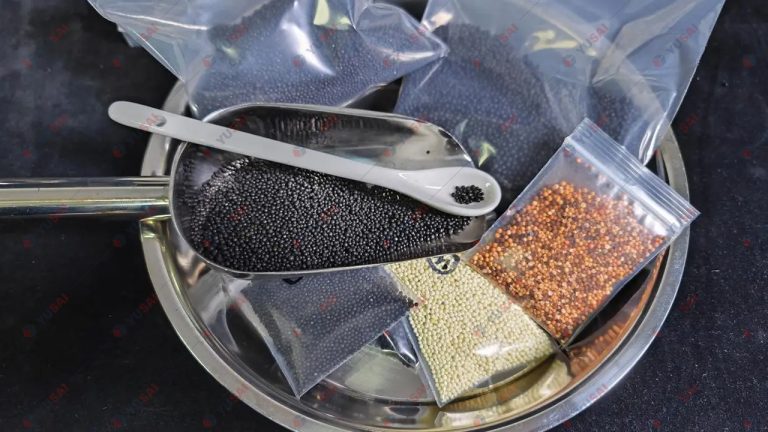
Gold belongs to precious metals, together with silver and six platinum-group metals (ruthenium, rhodium, palladium, osmium, iridium, platinum). It features stable chemical properties, high ductility and outstanding value retention. Gold resources exist in placer gold, vein gold ores, and also as associated trace elements in copper, lead, nickel and other non-ferrous concentrates. Our gold recovery technologies cover primary ore processing and secondary precious metal recycling from anode slime, leaching residues and industrial solid waste.
1. Gravity Concentration & Amalgamation
Gravity separation is a physical beneficiation method relying on density difference, widely used for placer gold. Equipment such as sluices, jigs, shaking tables and spiral concentrators can collect free coarse gold particles with low investment and simple operation.
Amalgamation is a traditional gold recovery route. Fresh gold surfaces can be wetted by mercury and form gold amalgam (Au-Hg alloy). After washing and filtering, excess mercury is separated by pressure. The amalgam is heated in sealed retorts: mercury vaporizes, condenses and is recycled, while crude gold remains and goes to smelting and refining. This process is divided into internal amalgamation (grinding and amalgamation in one unit) and external amalgamation.
Due to mercury toxicity and strict environmental regulations, amalgamation is now limited to specific scenarios and gradually replaced by safer hydrometallurgical alternatives.
2. Cyanidation Process (Mainstream Industrial Route)
Cyanidation is the most mature and widely adopted gold leaching technology, with strong adaptability to different ore types and stable high gold recovery. Under alkaline and aerobic conditions, metallic gold dissolves in dilute sodium cyanide or potassium cyanide solution and forms stable dicyanoaurate complex.
Typical cyanidation variants include:
- CIL (Carbon-in-Leach): Activated carbon is added directly into the leaching slurry to adsorb dissolved gold simultaneously during leaching. It saves filtration steps, occupies small footprint and performs well for high-clay ores.
- CIP (Carbon-in-Pulp): Leaching and carbon adsorption are two separate stages.
- Heap Leaching: Low-grade gold ore or tailings are stacked on impermeable pads and irrigated with cyanide lixiviant. It is cost-effective for large low-grade stockpiles.
- Zinc cementation: Gold is precipitated from pregnant cyanide solution by zinc powder or zinc wire. The obtained gold mud is filtered, roasted and smelted into gold bullion for further electrolytic refining.
Cyanidation is sensitive to interfering minerals. Copper, zinc, arsenic, antimony and sulfide iron minerals consume cyanide or oxygen. Refractory gold ores with encapsulated gold often require pre-treatment such as oxidative roasting, pressure oxidation or bio-oxidation before cyanide leaching.
3. Gold Recovery from Anode Slime
Copper, lead and nickel electrolytic refining anode slime is an important secondary raw material for gold and silver production. During base metal electrorefining, gold, silver and platinum-group metals do not dissolve and settle into anode slime, forming highly enriched precious metal feedstock.
The conventional process flow: selenium removal and copper removal → smelting to produce lead bullion (noble lead) → oxidative fire refining to obtain gold-silver alloy → silver electrolysis for pure silver → silver anode slime fed into gold electrolysis to produce pure gold, with platinum group metals recovered from gold electrolyte.
We also provide full hydrometallurgical anode slime treatment lines: acid leaching, separation, solvent extraction and electrowinning, which reduce smelting emissions and shorten production cycles.
4. Non-Cyanide Green Leaching Technologies
To meet increasingly strict environmental requirements, non-cyanide gold leaching routes have been developed as eco-friendly alternatives:
- Thiourea Leaching: Gold dissolves in acidic thiourea solution with fast leaching speed and low toxicity. The main limitation is high reagent consumption and corrosion on equipment.
- Thiosulfate Leaching: Low toxicity, suitable for ores containing copper and clay that consume large amounts of cyanide. The Patera process is a classic thiosulfate silver & gold leaching route.
- Chloride / Hypochlorite Leaching: Gold is dissolved by chlorine or hypochlorite in chloride media. It works well for refractory concentrates and some electronic waste feedstock.
- Bacterial Leaching (Bioleaching): Microbes oxidize sulfide matrix to unlock encapsulated gold in refractory ores. Bioleaching is low-carbon and eco-friendly, already commercialized for difficult gold concentrates.
- Resin-in-Pulp (RIP): Ion exchange resin replaces activated carbon to adsorb gold complexes, featuring faster adsorption, easy desorption and lower loss of adsorbent media.
5. Process Selection & Custom Solutions
Gold ore properties determine the suitable metallurgical route:
- Free-milling coarse placer gold: gravity separation first;
- Free fine gold: cyanidation (CIL / heap leaching);
- Sulfide refractory gold: pre-oxidation + leaching;
- Associated gold in copper/lead smelting circuits: recover from anode slime;
- Projects with strict environmental limits: thiourea, thiosulfate, chloride or bioleaching.
Our team designs integrated gold processing packages including crushing, grinding, gravity separation, flotation, leaching, adsorption, solution purification, precipitation, smelting and electrolytic refining. We support testing, flowsheet optimization, equipment supply and turnkey service for mineral ores, PCB scraps, lithium battery materials and other precious metal-bearing solid waste.
Conclusion
Gold extraction keeps evolving from traditional amalgamation and cyanidation toward low-toxic, low-carbon and closed-loop recycling flows. While cyanidation still dominates global gold production, green non-cyanide technologies are gaining rapid adoption for complex feedstock and regions with rigorous environmental rules. Combined fire and hydrometallurgical processing of anode slime and industrial residues turns waste into valuable gold resources, which is a core growth direction for the modern precious metal recycling industry.