Abstract
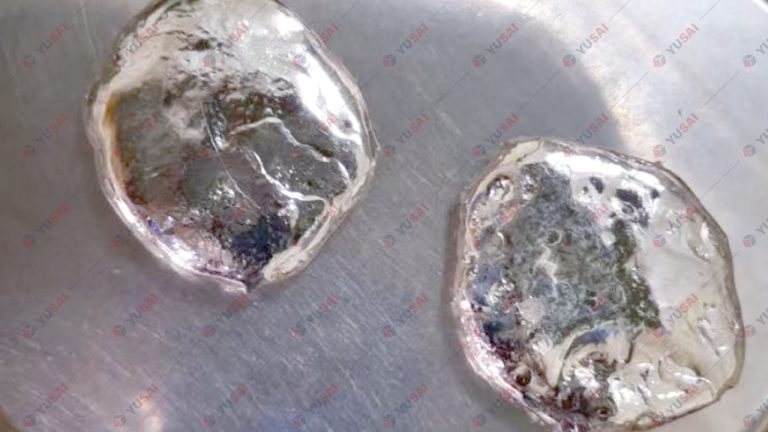
Silver electrorefining is the core metallurgical unit to produce 99.99% high‑purity silver from copper anode slime, precious‑metal dore, electronic waste and secondary silver‑bearing scraps. Traditional low‑current‑density electrolytic processes suffer from low throughput, large metal inventory, frequent short‑circuit risks caused by spongy silver, tank‑body aging and heavy NOₓ fume pollution. Based on industrial operation experience of large‑plate high‑current silver electrolytic production lines, this article analyses typical production bottlenecks and introduces process‑plus‑equipment optimization solutions. Our company delivers customized complete precious‑metal refining and solid‑waste recycling turn‑key plants, covering noble‑metal electrolysis, PGM recovery, e‑waste, new‑energy scrap recycling, along with full‑cycle technical services for global clients.
1. Introduction
Copper anode slime, electronic waste, spent automotive three‑way catalysts and other urban mineral resources contain abundant gold, silver, platinum, palladium, rhodium and other valuable metals. Silver electrorefining adopts silver‑nitrate‑based nitric electrolyte: impure silver alloy works as anode, pure‑silver / titanium / stainless‑steel sheets as cathode. Under DC power supply, high‑purity silver deposits on cathode, while gold, platinum‑group‑metals and base‑metal impurities remain in anode slime or electrolyte, realizing silver purification and concomitant precious‑metal recovery.
The advanced large‑plate horizontal automatic silver electrolytic cell raises single anode weight up to 45 kg and lifts current density from traditional 300 A/m² to 500‑700 A/m². This configuration shortens production cycle, cuts silver inventory in electrolyte and improves current efficiency. Nevertheless, multiple practical pain points appear in early‑stage commissioning: spongy silver growth triggering anode‑cathode short‑circuit and pipeline blockage; heavy NOₓ exhaust during electrolyte preparation; unstable electrolyte parameters causing off‑spec silver powder; PP electrolytic‑cell tank deformation and aging; cathode‑plate bottom sintering damage; unreliable mechanical cathode‑scraper driving system.
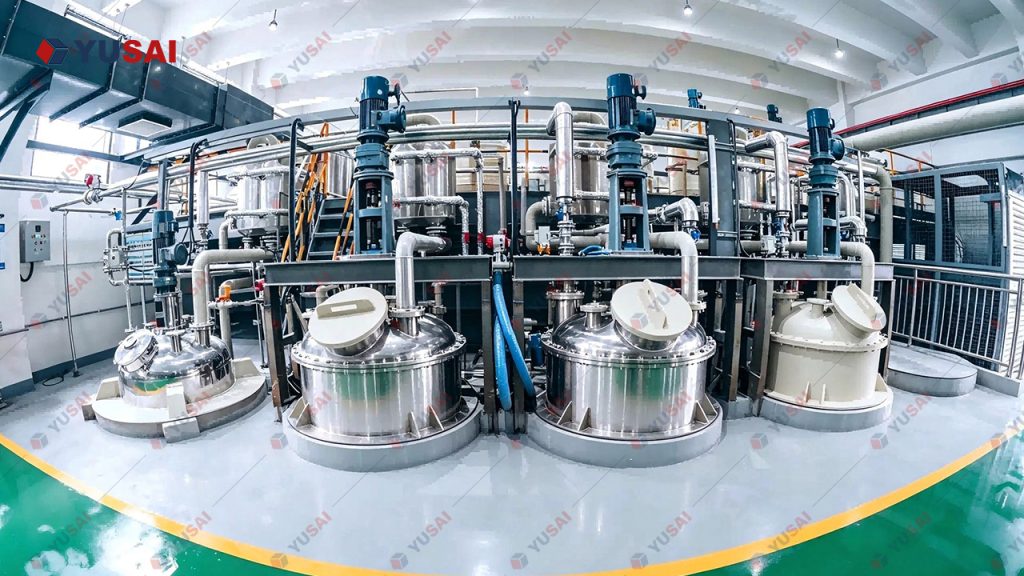
With over 20‑year experience in manufacturing precious‑metal electrolytic refining equipment and solid‑waste recycling complete plants, our enterprise provides tailor‑made full‑set recycling‑and‑purification solutions according to raw‑material properties and target capacity. Our product portfolio includes Au/Ag/Cu electrolytic refining units, PGM extraction lines, e‑waste precious‑metal recovery plants, solar‑panel recycling lines, spent‑lithium‑battery recycling systems, PCB recycling equipment, aluminium‑plastic separation lines and waste‑home‑appliance dismantling production lines. We supply not only standalone machinery, but also whole‑plant design, manufacturing, installation, commissioning and technology transfer services for worldwide partners.
2. Typical Challenges of High‑Current‑Density Silver Electrorefining in Industrial Operation
- Spongy silver precipitation risk: Filamentous spongy silver bridges anode‑cathode gap and creates short‑circuit events, interrupting production and clogging conveying pipelines. Trace lead ion co‑deposited with silver is a key inducement even under low‑lead‑content electrolyte conditions.
- Pollution risk from electrolyte preparation: Conventional silver dissolving process generates massive NOₓ toxic fumes, demanding complex alkali‑scrubbing exhaust‑gas treatment and increasing operational cost.
- Uncontrolled electrolyte parameters: Improper silver, copper, free‑acid, sulfate concentration and operating temperature lead to silver‑powder purity deviation, base‑metal contamination and poor working‑site conditions. Stable control is mandatory for consistent 4N silver output.
- Tank‑body structural failure: Conventional on‑site welded polypropylene (PP) tanks suffer from weld‑joint ageing, deformation under loading, with potential risk of tank rupture and electrolyte leakage.
- Cathode‑plate sintering failure: Under high‑current‑density operation, stainless‑steel cathodes may generate sintered agglomerates. Partial sintered fragments drop into silver powder product and trigger iron‑content over‑limit.
- Defects of mechanical cathode‑scraper assembly: Original reducer‑driven circular‑motion scraper has non‑adjustable stroke, incomplete silver‑powder stripping at plate ends, frequent reducer fracture failure, severe frame shaking and high running noise.
3. Integrated Optimization on Process Parameters & Core Equipment
3.1 Process solution to suppress spongy‑silver formation
Trace Pb²⁺ in electrolyte accelerates spongy‑silver dendritic growth. Adding sodium‑sulfate reagent makes sulfate radical react with lead ion to form insoluble lead‑sulfate precipitate for lead removal. Industrial practice verifies maintaining sulfate ion concentration 50‑100 mg/L in electrolyte can thoroughly eliminate spongy‑silver hazard and prevent electrolytic short‑circuit faults.
3.2 Clean electrolyte‑preparation (silver dissolving) technology with hydrogen‑peroxide addition
Traditional silver‑and‑nitric‑acid direct reaction releases large volume of nitrogen‑oxide fume. We adopt closed‑loop circulation dissolving process by dosing hydrogen peroxide as oxidant to cut NOₓ generation significantly. Optimized mass ratio feed formula: silver powder : nitric acid : hydrogen peroxide : water = 4.38 : 3.6 : 1 : 10.5. Material flows in closed circulation between mixing tank, circulation tank and reaction column to complete silver dissolution with greatly reduced exhaust‑gas treatment burden.
3.3 Stabilized electrolyte parameter window for qualified 99.99% silver powder
Long‑term plant trial confirms optimal operating index:
- Silver concentration: 90‑120 g/L
- Copper impurity: less than 30 g/L
- Free nitric‑acid acidity: 4‑12 g/L
- Sulfate ion: 50‑100 mg/L
- Electrolyte working temperature: 50‑60 ℃
Tight parameter control restrains copper contamination, base‑metal hydroxide precipitation and maintains good site environment, stably producing IC‑Ag99.99 qualified electrolytic silver powder.
3.4 Electrolytic‑cell & circulation‑tank material and structural upgrade
Replace ordinary PP sheet with PPH (homopolymer polypropylene) for electrolytic‑cell main body; apply automatic mechanical welding for seam joints to enhance anti‑ageing performance. Reinforcing ribs are fitted on outer side of tank wall for anti‑deformation. Inner silver‑powder baffle plate guides scraped silver powder onto conveyor belt, avoiding silver‑powder falling to tank bottom and conveyor jamming fault.
For electrolyte circulation tank, adopt GFRP fiberglass‑reinforced plastic material instead of PP; change square‑shaped tank to horizontal cylindrical configuration. Cylindrical pressure‑resistant structure eliminates deformation risk and removes electrolyte‑leak hidden danger.
3.5 Cathode‑plate material & dimensional modification
Original stainless‑steel cathode easily suffers electrochemical sintering at high‑current‑density conditions. Two improvement measures are implemented:
- Shorten immersion depth of cathode plate from 530 mm to 500 mm, enlarging gap between cathode bottom and silver‑powder conveyor belt to prevent discharge sintering caused by silver‑powder contact.
- Switch cathode material from stainless steel to titanium sheet. Copper busbar is riveted with titanium cathode sheet to expand contact area and improve electric‑conducting performance. This modification completely solves cathode‑plate sintering and iron‑pollution problems of silver products.
3.6 Pneumatic‑driven cathode‑scraper power‑system retrofitting
Abandon original reducer‑driven circular‑motion scraper unit. Upgrade to pneumatic horizontal‑travel driving mechanism. Advantages of optimized pneumatic scraper:
- Adjustable travel stroke, complete silver‑powder stripping on both ends of cathode plates to avoid short‑circuit;
- Controllable operation frequency, smooth running, lower roller wear and spare‑part consumption;
- Less breakdown frequency, low noise, improving whole‑workshop operating environment.
After all above process and equipment renovation, the production line runs steadily with greatly reduced run‑and‑leak faults, site environmental improvement. Plant capacity rises from designed 176 tons/year silver output up to 300 tons/year, with consistent 99.99% silver‑powder quality.
4. Our Company’s Complete‑Set Capability for Global Precious‑Metal & Secondary‑Waste Recycling Projects
Benefiting from deep accumulation of silver electrolytic‑refining equipment technology, we provide worldwide customers with one‑stop engineering solutions covering equipment R&D, manufacturing, whole‑plant custom design and full‑life‑cycle technical service.
4.1 Precious‑metal electrolytic refining & extraction complete lines
- Gold / silver / copper electrolytic‑purification units: suitable for copper anode slime, various precious‑metal scraps, realizing metal purity up to 99.99%.
- Platinum‑group‑metal recovery production lines: extract Pt, Pd, Rh from spent automotive three‑way catalysts; separation‑and‑refining equipment for iridium, ruthenium and other rare PGM materials.
- Electronic‑waste precious‑metal extraction plant: process waste PCBs, electronic scraps; integrated hydrometallurgical + electrolytic recovery system for Au, Ag, Pt, Pd and copper.
4.2 Solid‑waste & new‑energy scrap recycling complete production lines
- Solar‑panel recycling plant: self‑developed crushing‑sorting process for recovering silicon material, mixed metals and plastic fractions.
- Spent‑lithium‑battery recycling plant: physical dismantling & sorting for power batteries / consumer batteries; separation of cathode‑anode sheets, recovery of metals and black mass materials.
- PCB recycling machine: crushing, sorting and metal‑enrichment for waste mainboards and printed circuit boards.
- Aluminium‑plastic separation plant: pulverizing + air‑classification + dust‑removal integrated system for aluminium‑plastic film, medicine blister‑pack waste.
- Waste‑home‑appliance recycling plant: complete crushing and metal‑plastic sorting for scrapped refrigerators, washing machines and air‑conditioners.
4.3 Customized engineering & full‑range technical service
- Whole‑plant tailored solution: Custom‑design full metallurgical process flow and equipment layout according to customer’s raw‑material type, daily‑throughput requirement and workshop site condition, one‑stop plant‑building solution.
- Independent R&D & manufacturing: Self‑produce environmental‑protection recycling equipment, precious‑metal electrolytic units, automatic sorting sets, dust‑removal equipment, mechanical frames and electric‑control automation systems.
- Full‑process technical support: Free technical consultation; detailed proposal output within 24 hours upon receiving inquiry; on‑site equipment installation, commissioning and operation‑maintenance service; metallurgical‑process optimization & technology transfer service; supporting environmental‑protection consulting and auxiliary dust‑removal & automatic‑control matching.
- Auxiliary mechanical & electrical business: Machining of mechanical spare‑parts, industrial automatic‑control instruments, dust‑collecting equipment, power‑distribution equipment supply, equipment overhaul service.
4.4 Feedstock scope our systems can handle
E‑waste materials: waste PCB circuit boards, discarded mobile‑phone / computer household‑appliance scraps, electronic anode slime, electroplating sludge. New‑energy waste: end‑of‑life solar panels, spent lithium‑ion batteries and energy‑storage batteries. Automotive waste: spent three‑way catalytic converters (Pt‑Pd‑Rh). Composite scrap: aluminium‑plastic composite film, pharmaceutical aluminium‑plastic waste. Waste household appliances: scrapped refrigerators, washing‑machines, air‑conditioners. Crude precious‑metal feed: crude gold, crude silver, crude copper, platinum‑group‑metal‑bearing secondary scraps.
5. Conclusion
High‑current‑density large‑plate silver electrorefining brings high production capacity benefit, yet multiple practical bottlenecks including spongy‑silver short‑circuit, tank‑body ageing, cathode sintering and high‑pollution electrolyte‑preparation must be addressed by combining parameter‑tuning process optimization and targeted equipment material‑structural upgrading.
Our company integrates practical metallurgical experience with equipment‑manufacturing strength. We deliver not only standalone silver electrolytic refining equipment, but also complete‑set turn‑key recycling plants for precious‑metal secondary resources and various solid waste. For global recyclers and smelters, we provide flexible custom‑made solutions from small‑capacity pilot units to large‑scale industrial refineries, together with after‑sales technical support, helping customers achieve high‑recovery‑rate, stable‑quality and environmentally‑friendly precious‑metal recycling production.