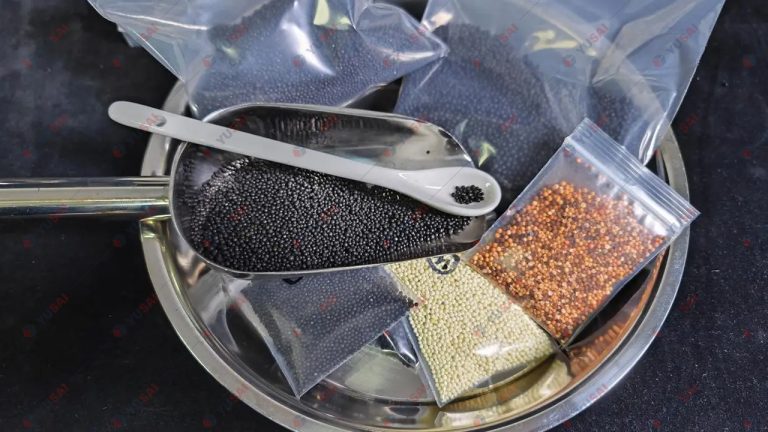
Spent catalysts are one of the most important secondary resources of platinum group metals (PGMs). Platinum group metal recovery technologies from spent catalysts are generally divided into two major routes: pyrometallurgy and hydrometallurgy. Each route has distinct working principles, applicable scenarios, advantages and inherent limitations, which recycling enterprises need to carefully evaluate before selecting the process and supporting equipment.
Pyrometallurgical recovery mainly includes smelting enrichment, chlorination volatilization and incineration.
Smelting enrichment is the most mature pyrometallurgical technology that has achieved commercial application. In this process, platinum group metals are combined with metal collectors such as lead, copper, iron and matte inside an ion furnace to form precious metal alloys. However, ferrosilicon alloys will be generated simultaneously during smelting. This by-product shows extremely strong acid resistance. In the subsequent procedures of repeated high-temperature dissolution and refining, when furnace slag is separated from the precious metal alloy, partial loss of platinum group metals is almost inevitable, which directly reduces the overall metal recovery efficiency and cuts down economic returns.
Chlorination volatilization works at high temperatures between 600°C and 1200°C. Under this thermal condition, platinum group metals are selectively converted into volatile metal chlorides. The gaseous chlorides are then captured through condensation and activated carbon bed adsorption for enrichment and separation. Despite its theoretical separation performance, this technology faces obvious technical bottlenecks. It requires extreme operating temperatures, and chlorine gas used in the reaction is highly corrosive. These drawbacks bring high requirements for material selection of reaction vessels, heavy equipment maintenance costs and safety risks. For these reasons, chlorination volatilization has not been widely adopted for commercial mass production.
Incineration is another common pyrometallurgical method. It burns and decomposes carbon-based catalyst carriers, and the ashes containing platinum group metals are collected for further PGM extraction. This process is only suitable for spent catalysts with single carbon carriers. To boost burning efficiency, extra additives must be added. Meanwhile, flue gas treatment is a key challenge: black smoke generated during incineration may cause environmental pollution, requiring supporting exhaust treatment systems and increasing overall project investment.
Compared with various pyrometallurgical processes, hydrometallurgical recovery stands out with many outstanding strengths. It demands lower capital investment, runs under ambient or moderate temperature conditions, and delivers high platinum group metal recovery rates. The whole process is more flexible and well-suited for small and medium-scale recycling projects. Thanks to these competitive advantages, hydrometallurgy has become a fast-growing technical route in precious metal secondary recovery, and more recyclers prefer to build hydrometallurgical production lines for PGM extraction from spent catalysts.
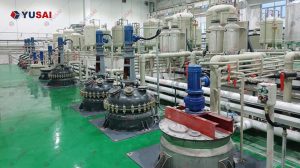
We are a professional manufacturer specializing in precious metal recycling equipment. We design and fabricate complete hydrometallurgical equipment packages for recovering platinum group metals from waste catalysts. Our equipment series is customized to match hydrometallurgical workflows, with optimized structure for low energy consumption, stable operation and high PGM yield. We support tailored solution design according to customers’ raw material characteristics, daily processing capacity and local environmental standards. By adopting our equipment, recycling plants can effectively cut operation costs, minimize metal loss and maximize economic value from spent catalyst resources.