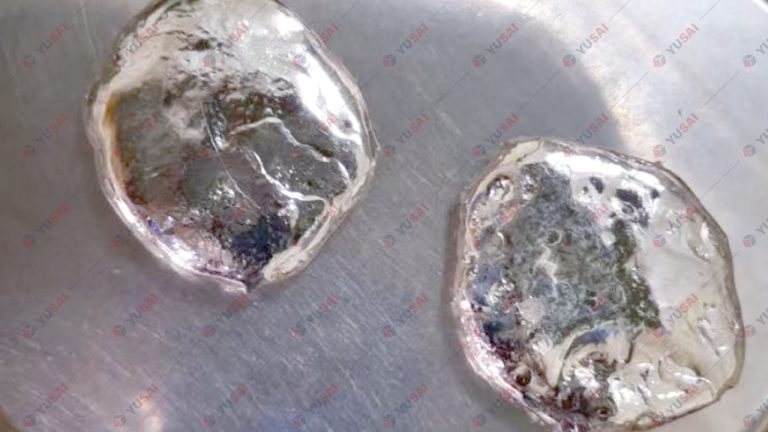
Abstract: 1450 kg of waste palladium catalyst was used as raw material. Two pretreatment routes including roasting and solvent washing were adopted. Palladium was recovered through leaching, ion exchange resin adsorption, elution, acidification-complexation purification and hydrazine hydrate reduction. A total of 16031.7 g palladium sponge was obtained. ICP analysis shows that the purity of palladium sponge reaches 99.98%, which meets the requirement of 99.95% palladium powder specified in national standard GB/T 1420-2004 Palladium Sponge. Resin adsorption tests indicate that one column with 50 kg wet resin can adsorb approximately 1500 g palladium. The theoretical elution rate is 99.8%, and the actual elution rate remains above 98%. The study reveals that part of palladium adsorbed on fresh unused R410 resin is immobilized and cannot be fully eluted, which is the main reason for the low palladium recovery rate of roasted materials.
1 Raw Materials and Pretreatment
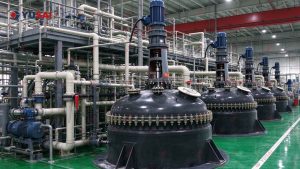
The raw material is waste palladium catalyst with total feeding mass of 1450 kg. The raw materials were divided into roasted materials and washed materials for separate pretreatment. Roasted materials were pretreated by high-temperature roasting, while washed materials were pretreated by solvent washing. The obtained palladium-containing eluate was concentrated and filtered. The filter cake was collected for subsequent palladium recovery. The filtrate was purified by acidification and complexation, and both operations were carried out twice. After purification, hydrazine hydrate was used for reduction to obtain crude palladium sponge, which was further refined to produce high-purity palladium sponge.
2 Results of Recovery Experiment
2.1 Palladium Output
After the whole process of leaching, resin exchange, elution, purification and refining, 3749.6 g palladium sponge was produced from roasted materials. For solvent-washed materials, 12282.1 g palladium sponge was obtained via leaching, resin exchange, elution, purification and refining. The total palladium sponge yield of the two pretreatment routes was 16031.7 g.
2.2 Product Purity
ICP was applied for composition analysis of palladium sponge samples. The palladium sponge purity reaches 99.98%, exceeding the technical requirement of 99.95% specified in GB/T 1420-2004 Palladium Sponge. The product quality meets the standard.
3 Adsorption and Elution Performance of Ion Exchange Resin
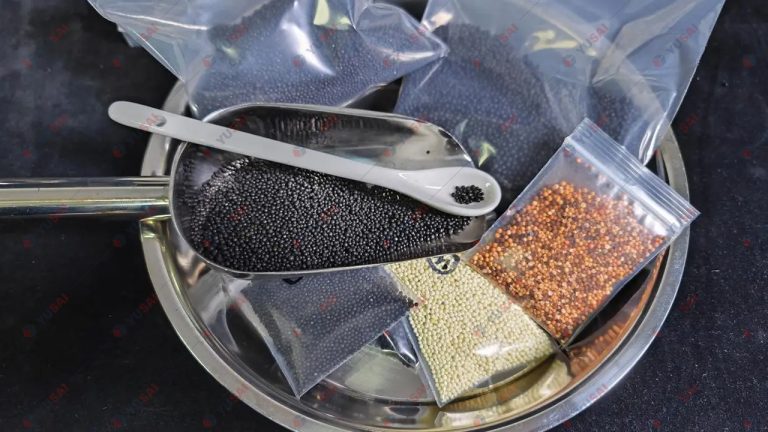
R410 resin was selected for palladium enrichment and separation in this experiment. A single column filled with 50 kg wet resin has a saturated palladium adsorption capacity of about 1500 g. The theoretical elution rate can reach 99.8%, and the field measured actual elution rate is stably above 98%. The resin system exhibits favorable palladium adsorption and elution performance.
4 Analysis of Factors Affecting Recovery Rate
Comparing palladium recovery results of the two pretreatment processes, the palladium recovery rate of roasted materials is lower than that of solvent-washed materials. The cause analysis shows that during palladium adsorption by fresh unused R410 resin, part of palladium ions are immobilized in the resin matrix and cannot be eluted in the elution procedure. Palladium is retained inside the resin and cannot be recovered, thus reducing the overall palladium recovery rate of the roasted material system.
5 Conclusions
High-purity palladium sponge can be effectively recovered from waste palladium catalysts by adopting two pretreatment methods (roasting and solvent washing), combined with leaching-R410 ion exchange enrichment, two-stage acidification-complexation purification, hydrazine hydrate reduction and refining process. The product purity is 99.98%, complying with national standard specifications for palladium sponge. R410 resin has good adsorption capacity and elution property. The immobilization and retention effect of palladium on fresh unused resin is the key factor restricting palladium recovery efficiency of roasted materials. Further measures such as resin pretreatment modification and optimization of adsorption process parameters can be adopted to reduce palladium immobilization loss and improve the comprehensive palladium recovery rate.